


Written by Sara Canedo (F6S)
The transition to a sustainable, renewable energy future requires established technologies but also requires radical innovation, interdisciplinary collaboration, and the brilliant minds of the next generation. This ethos was at the heart of the ISUenergy 2026 Summer University, held from August 23 to September 4 in the breathtaking mountain village of Falera, Switzerland.
Organized by Prof. Emeritus Martha Lux-Steiner, this intensive two-week program brought together global experts and highly motivated students to tackle tomorrow’s energy challenges. Among the key contributors was Jana Nieder, representing the International Iberian Nanotechnology Laboratory (INL) in Braga, Portugal, one of the BLOSSOM partners, who brought a unique blend of bioinspired nanotechnology, advanced microelectronics, and hands-on mentorship to the Swiss Alps.

The BLOSSOM Project and Bioinspired Energy
During the summer school, Jana delivered an invited talk on “Bioinspired Energy Transfer Technologies,” introducing students to the BLOSSOM Project approach. This concept explores molecular energy harvesting solutions inspired by natural photosynthesis.
By understanding how plants capture and transfer solar energy at the molecular level, researchers can design highly efficient, sustainable energy-harvesting nanomaterials. At INL in Braga, this biological inspiration meets state-of-the-art technology. INL’s expertise in Advanced CMOS & Microelectronics serves as a vital bridge, enabling the integration of these bioinspired molecular materials into scalable micro-devices and efficient, low-power sensor networks.

Building the “Youth force of Energy Transition”
Beyond the lectures, the ISUenergy program is rooted in practical application. Jana proposed and supervised an intensive 1-week group project aptly named “Superheroes of the Energy Transition.”
Tasked with developing an off-grid energy scheme for the Estonian island of Velmo, students engaged in literature studies and energy budget calculations. They brought their vision to life by building a renewable energy network simulator using an Arduino controller. The mini-demonstrator modeled complex interactions between solar cells, battery storage, hydrogen generation, and wind energy.
Crucially, the project went a bit beyond engineering. To understand the social impact of energy transitions, the students launched a simulated social media campaign. Their posts documented the island’s energy choices, evaluated risks, and communicated critical safety measures and action plans for low-wind and low-solar scenarios, emphasizing that community communication is just as important as the technology itself.

Empowering Women in STEM and Shaping Careers
The energy transition also requires diverse leadership. To that end, Jana facilitated and moderated an open, engaging panel discussion titled “Career and Impact.” Featuring a carefully selected, balanced panel of speakers, the session provided a vital platform to discuss navigating career choices in science and engineering. It empashised the role of women in science and technology (STEM), encouraging students to pursue career paths that leave a lasting, positive impact on society.
Supported by alliances like EELISA and universities like ZHAW and BTU Cottbus-Senftenberg, ISUenergy 2026 proved that when you combine nature’s ancient wisdom (like photosynthesis) with advanced microelectronics, hands-on engineering, and diverse voices, you create the superheroes of the energy transition!
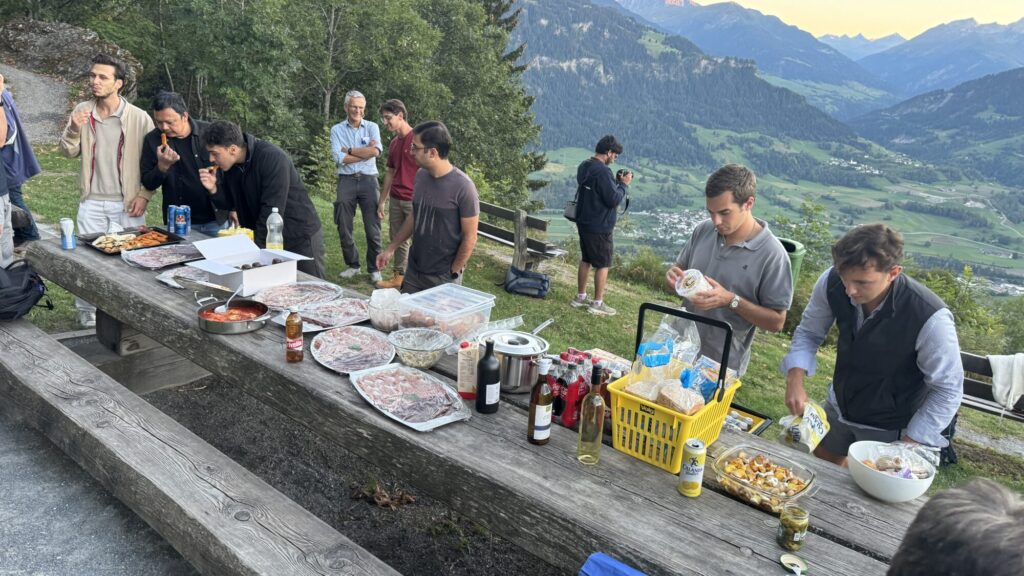

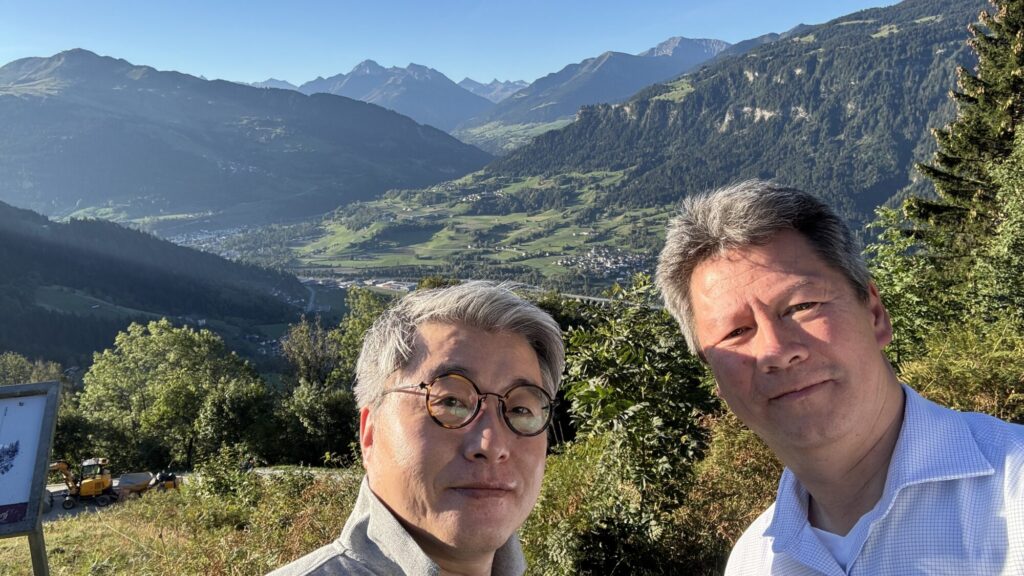
Some ISUEnergy 2026 participants: Reza Sabouri, Jacobo Gómez Maruri, Ilker Kayra Orman, Prof. Dr. Jung-Hwa Lee, and Carl-Ernst Forchert.

